

Why a Solana Browser Wallet Extension Actually Changes How You Use Crypto (and Why Phantom Stands Out)
Whoa! The first time I clicked “Connect” in a DeFi app and saw my wallet popup, it felt like magic. My instinct said this would be easy, and for the most part it is — but somethin’ felt off too. At first I thought browser wallets were all the same: a key store, a popup, done. Actually, wait—let me rephrase that: they looked similar on the surface, but the differences matter in day-to-day use. On one hand there’s convenience and speed; on the other hand there are subtle UX and security tradeoffs that only surface after a few trades, NFT mints, or staking sessions.
Here’s the thing. Browser extensions change the friction of interacting with web3 because they live where you already work — your browser. Seriously? Yes. You don’t switch apps, you don’t paste seed phrases into random sites. But that convenience raises questions: how do these extensions handle approvals, what assumptions do they make about session lifetimes, and how easy is it to recover your wallet when your laptop dies or your brain’s scrambled? These are practical problems, not theoretical ones, and they shape which wallet you actually rely on.
I’m biased, but I use and test browser wallets every week. I mess with new dapps, poke at transaction signing flows, and then forget my own private keys (kidding, mostly). What I look for is simple: clear UX, good network support, fast signing, and an obvious way to get back in if things go sideways. That last one bugs me because a lot of guides skip the ugly step where you have to restore from a seed phrase while your hands are shaking. I’m not 100% sure anyone enjoys that, but it’s real. So let’s dig into what matters when choosing a Solana extension wallet, with things I wish someone told me when I started.
Why a browser extension (versus mobile app or hardware) makes sense for Solana
Quick take: browser extensions put your keys next to the dapps you use. That proximity reduces clicks and cognitive load. Hmm… But there are tradeoffs. Extensions are great for quick NFT mints, token swaps, and interacting with automated trading UIs. They let you sign transactions fast, which matches Solana’s low-latency design.
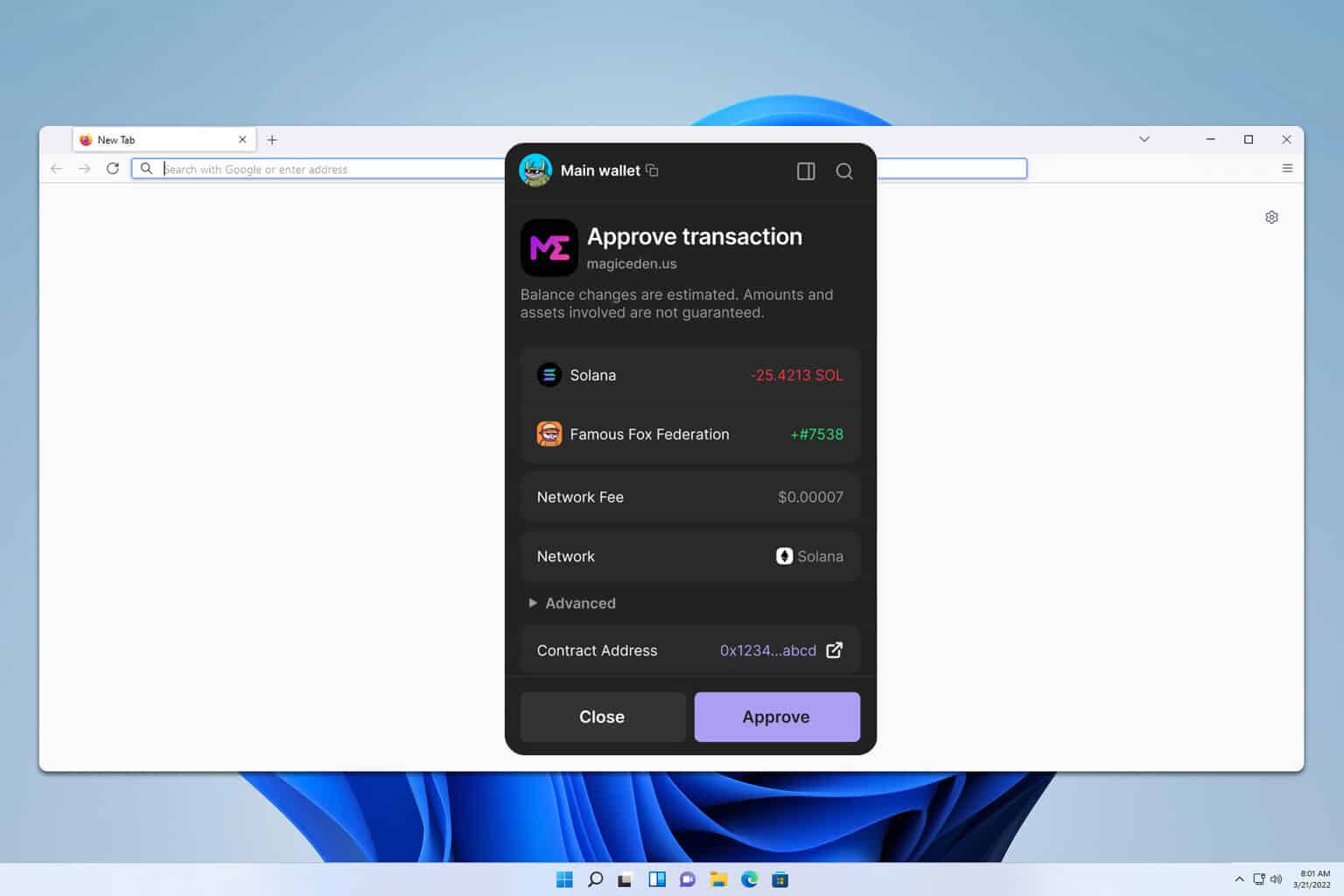
On the downside, the browser is a big attack surface. Extensions are sandboxed, but malicious web pages and phishing overlays can trick users into approving things they shouldn’t. So, a wallet’s UI and the mental model it enforces matter a lot — they must make approvals explicit and comprehensible. For instance, does the popup show what accounts will be affected? Does it show fee details? These little cues help prevent accidental approvals.
At first I thought network choice would be trivial. Then I tried devnet, testnet, mainnet-beta all in one weekend and realized: if a wallet makes it easy to switch networks and shows you which one you’re on, you’ll avoid dumb mistakes. Initially I sprayed funds across testnet and mainnet and cursed my own name, though actually that mistake was educational.
Phantom wallet: what it does well (and where you should be careful)
I like Phantom because it blends clean design with Solana-specific features in a way that feels native. Phantom’s approval flows are clear, the UI for managing SPL tokens is straightforward, and its in-wallet swap feature reduces the number of confirmations you need to hunt through. Check this out—if you want to try Phantom for yourself, here’s a direct place to get the phantom wallet.
That said, no wallet is perfect. For example, Phantom caches some session info to make reconnections easier, which is convenient but may be surprising when you use a different profile or browser. Something felt off about a cached session once — I approved a small allowance thinking it was temporary, and then realized later it persisted. My gut said “double-check” and I was right. The lesson: treat allowances and approvals like permissions on your phone — review them occasionally.
Also, Phantom’s extension UX nudges towards certain workflows (NFT gallery, swap widget). If you’re a power user who needs granular fee control or scripting integration, you might find the defaults limiting. On the flip side, most people will appreciate the frictionless defaults because they remove confusing options. On one hand, that’s good. On the other hand, power users want more depth.
Okay, so check this out — I once restored a wallet on a new laptop during a flight. Travel is not the time for complex recovery. The Phantom restore flow got me back in faster than I expected, though I had to re-authorize some sites. That re-authorize step is actually a safety net; annoying in the moment, but it prevents silent reconnections if someone else ever gets access to your browser profile.
Practical security habits for extension users
Short list: backup your seed, use a hardware wallet for big balances, review approvals, and be cautious with unknown dapps. Whoa! That last one is obvious until it’s not. Medium-term storage in an extension is fine for daily use, but large holdings should live on a hardware device. If you’re transacting often, use a burner account for small trades and keep the main stash offline.
Initially I thought password managers and browser profiles solved everything, but then I found a chrome extension bug that duplicated an account in a profile swap. Seriously? Yep. So separate browser profiles for personal and work accounts, plus a dedicated profile for crypto, is a simple hygiene win. Use OS-level encryption for the profile folder if you can.
Approvals deserve their own ritual. Before you hit confirm, read the line items: amount, accounts, program IDs when visible. On Solana, a single transaction can call multiple programs and move assets in ways that look unintuitive. For instance, an “approve” step for token spending is common and sometimes hidden inside a UX flow; don’t skip over it. I’m not 100% sure everyone understands that nuance at first glance.
Workflow tips that saved me time
Want speed? Keep a small hot wallet funded and move funds from cold storage only as needed. This approach reduces risk and keeps your main balance insulated. If you’re minting NFTs, open the mint page early, connect, and refresh — many mints gate by connection status. Also, check fees and recent block times; Solana is fast, but congestion spikes happen and some relayers add extra slippage.
Another tip: name your accounts inside the wallet. It sounds trivial, but when you have multiple SPL tokens and several derived accounts, labels stop you from sending the wrong assets to the wrong place. I learned that after an embarrassing moment sending test tokens to a dev account. Double very important reminder: test on devnet if the project provides a test environment.
One more practical trick — snapshot your extension state (export of public addresses and approved dapps) from time to time. Not a full seed export, mind you, but a mental backup: list of sites you’ve connected, and which accounts you used for them. It saved me hours when I cleaned up browser profiles once and had to restore approvals and reconnect sites.
Common questions people actually ask
How does Phantom compare to other Solana extensions?
Short answer: Phantom balances UX and features very well. Alternatives might offer more advanced settings, hardware wallet integrations, or niche tools, but Phantom’s mainstream UX and steady updates make it a practical first choice. On balance, if you’re new or want a solid daily driver, it’s a top pick.
Is it safe to keep all my funds in a browser wallet?
Keep everyday funds in a browser wallet. For large holdings, transfer to a hardware wallet or multisig. Browser wallets are convenient for frequent use but they’re inherently more exposed than an offline device. I learned to move larger allocations offline after a near miss with a phishing site; it was a wake-up call.
What if I lose access to my browser profile?
Seed phrase recovery is the fallback. But plan ahead: write down seeds securely, consider a seed split, and use the wallet’s recommended recovery features. Also, exporting a list of connected sites and account labels helps you re-establish workflow faster after a restore.
Alright, here’s my closing thought. I’m excited about how Solana wallet extensions have lowered the barrier to entry for web3, but I’m also cautious — convenience invites complacency. On the whole, choose a wallet that nudges you toward good habits, not a wallet that hides complexity under a flashy UI. I’m biased toward tools that teach users what they’re doing while keeping things fast. Try the phantom wallet if you want a blend of usability and Solana-native features — but seriously, treat your seed phrase like the last piece of paper with your bank password on it.
