


The Real Deal on Hardware Wallets, Cold Storage, and Signing Crypto Transactions
Okay, so check this out — I was fiddling with my crypto stash the other day, and something felt off about the whole “hot wallet” hype. Seriously? Leaving your precious coins online, vulnerable to hackers? No thanks. That’s when I really got into hardware wallets and cold storage. They’re not just buzzwords; they’re the backbone of keeping your crypto safe in a world that feels more like the Wild West every day.
Here’s the thing. Hardware wallets aren’t just fancy gadgets. They’re like your personal bodyguards for digital assets, storing your private keys offline. Wow! That simple fact changes the game. But it’s not just about having one; it’s about understanding how cold storage and transaction signing actually work together to keep you safe from all sorts of nastiness lurking out there.
Let me back up a bit. Initially, I thought, “Isn’t cold storage just putting coins on a USB stick and calling it a day?” But then I realized it’s way more nuanced. Cold storage means your keys never touch an internet-connected device during signing. On one hand, that’s super secure. Though actually, it can get tricky if you don’t know the right workflow — like accidentally exposing your seed phrase or using compromised software.
So, hardware wallets help solve that by isolating the signing process. You sign transactions within the device itself, meaning your private keys never leave the wallet. It’s a neat trick, but not foolproof. There’s a learning curve, and honestly, it’s easy to mess up if you rush or skip steps.
Really? Yeah. For example, I once almost sent funds to the wrong address because I didn’t double-check the transaction details on the device’s screen. That part bugs me — you have to be vigilant. Always double-check!
Now, if you’re thinking about which hardware wallet to trust, Ledger’s lineup often comes up. I’m biased, but their integration with ledger live makes managing assets smoother than I expected. It’s not perfect, but the software’s interface helps bridge the gap between user and device, which is huge for folks not deep into crypto tech.
And yes, Ledger Live isn’t just a dashboard; it’s where you confirm transactions, check balances, and update firmware. One hiccup I’ve noticed is that updates can sometimes feel a bit clunky — especially if you’re not patient or have spotty internet — but it beats fumbling with command lines or third-party tools.
Let’s talk about cold storage again. People often confuse it with just “offline wallets,” but the real magic happens in how you sign the transaction. You prepare it on an internet-connected device, then move that unsigned transaction file over to your hardware wallet or cold storage device to sign it offline. After signing, you send the signed transaction back online to broadcast it. Sounds complicated? It kinda is at first, but once you get the hang of it, it’s pretty straightforward.
Whoa! Here’s something that surprised me: even with cold storage, if you’re careless with the USB drives or QR codes you use to transfer unsigned transactions, you can still get compromised. It’s like locking your front door but leaving the window open. Security is a chain, not a single link.
One practical tip? Use air-gapped devices—completely isolated computers or phones—for preparing or signing transactions if you’re super paranoid. Yeah, that’s a pain, but for big holders, it’s worth it. My instinct says this level of caution might seem overkill for casual users, but hey, safety first.
Here’s a quick story: a friend of mine tried cold storage on a budget, using a cheap USB drive and random software. Guess what? He lost access after a software glitch corrupted his wallet file. Ouch. That’s why investing in reputable hardware wallets and following best practices is very very important.
Also, cold storage isn’t set-it-and-forget-it. You must have reliable backups of your seed phrases, and store them securely — offline, away from prying eyes, and definitely not photographed on your phone. I know, I know, it’s tempting to keep a digital copy “just in case,” but that’s how many people get hacked.
Check this out—
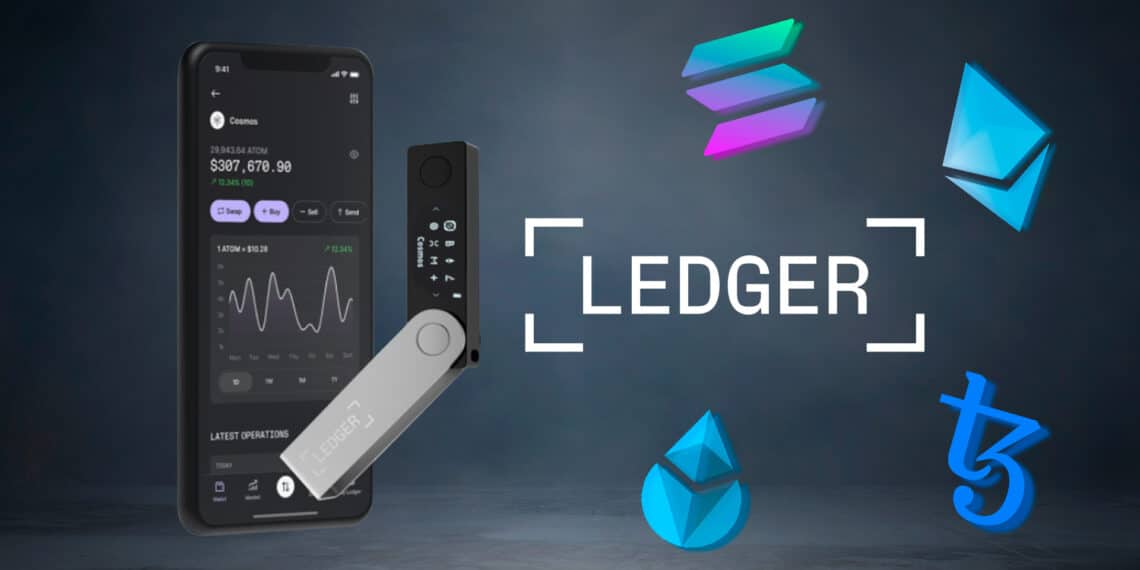
—hardware wallets like Ledger provide a neat balance. They combine cold storage security with user-friendly transaction signing. You plug in, review the transaction on the device, confirm, and boom, it’s signed without exposing your private keys. The process not only protects you from online threats but also prevents malware on your computer from siphoning funds.
Now, don’t get me wrong. Nothing is 100% safe. The human factor is always the weakest link. Phishing, social engineering, or simply losing your hardware wallet can wreck havoc. (Oh, and by the way, don’t forget to set up your recovery phrase properly.)
One thing that’s kinda tricky is firmware updates. Ledger Live makes it easier, but if you ignore updates, you risk missing important security patches. On the flip side, rushing updates on dodgy internet connections might brick your device. Yeah, it’s a tightrope.
So yeah, the ecosystem is evolving. For instance, multi-signature wallets add another layer, requiring multiple hardware wallets to sign a transaction. That’s like having several locks on your door — great for high-value holdings or organizational setups.
But for most of us, a solid hardware wallet combined with cold storage and careful transaction signing is a very solid defense. I’m not saying it’s foolproof, but it’s miles better than leaving your coins on an exchange or a software wallet connected to the internet 24/7.
Before I wrap up (but not really, because these thoughts kinda trail off…), I want to say this: if you take your crypto seriously, invest time in learning the nuances of hardware wallets and cold storage. It’s not just about tech; it’s about mindset. Patience. Vigilance. And a little healthy paranoia never hurt anyone in this space.
Anyway, if you haven’t checked out ledger live yet, give it a whirl. It’s the interface that helps tie the whole experience together without making you feel like you’re navigating a spaceship. Trust me, that’s a huge plus.
And hey, remember — crypto security is more a journey than a destination. My instinct says that staying curious and cautious is your best bet. Keep learning, keep questioning, and maybe keep a backup or two hidden in places even you forget about.
